

Have you or a loved one been diagnosed with a hydatid cyst? You are not alone. This condition, though unfamiliar to many, is a significant health concern in agricultural regions like Nepal. At Inova Hospital in Kathmandu, we specialize in the modern diagnosis and comprehensive management of this disease.
As a surgeon with extensive experience in treating hydatid disease, I, Dr. Jayant Sah, believe that patient education is the first step toward effective treatment. This article will help you understand what a hydatid cyst is, its symptoms, and the cutting-edge treatment options we offer right here in Nepal.
What is a Hydatid Cyst? Understanding the Cause
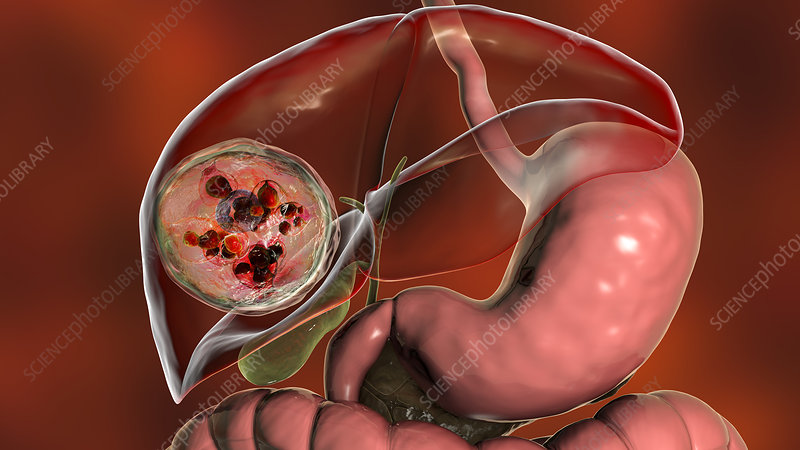
A hydatid cyst is a parasitic infection caused by the larval stage of the tapeworm Echinococcus granulosus. The infection spreads through a cycle involving animals and humans:
Primary Hosts: Dogs and other canines carry the adult tapeworm in their intestines.
Intermediate Hosts: Sheep, goats, and cattle become infected by ingesting the parasite eggs from contaminated soil.
Human Infection: Humans act as accidental hosts. We get infected by accidentally swallowing tapeworm eggs released in dog feces. This can happen through:
Contact with infected dogs.
Consuming contaminated water, soil, or unwashed vegetables.
Once ingested, the eggs hatch in the intestine, travel through the bloodstream, and form slow-growing cysts, most commonly in the liver and lungs.
Recognizing the Symptoms of a Hydatid Cyst
A hydatid cyst can remain “silent” for years, growing slowly without causing any symptoms. When symptoms do appear, they depend on the cyst’s location and size.
Common Symptoms Based on Location:
Liver Cyst (Most Common):
Pain in the right upper abdomen
A feeling of fullness or a palpable lump
Nausea, vomiting, and jaundice (if the cyst blocks bile ducts)
Lung Cyst:
Persistent cough
Chest pain
Shortness of breath
Coughing up blood (hemoptysis)
Ruptured Cyst: A medical emergency causing severe allergic reaction, fever, and potentially spreading the infection to other parts of the body.
How is a Hydatid Cyst Diagnosed at Inova Hospital?
Early and accurate diagnosis is crucial. At our advanced facility in Kathmandu, we use a multi-pronged approach:
Imaging Techniques: Ultrasound and CT scans are the gold standards. They reveal the cyst’s size, location, and internal structure, which is characteristic of a hydatid disease.
Serological Tests: Blood tests can detect antibodies your body has produced to fight the parasite, supporting the imaging findings.
Biomarker Testing: We may also test for specific biomarkers to confirm the diagnosis.
Advanced Treatment Options for Hydatid Cyst in Kathmandu
Gone are the days when open surgery was the only option. At Inova Hospital, we provide a range of treatments tailored to each patient’s condition, ensuring the best possible outcome with minimal invasion.
1. Medical Therapy:
Anti-parasitic medications (like Albendazole) are often used before and after procedures to shrink the cyst and prevent recurrence.
2. PAIR Procedure (Puncture, Aspiration, Injection, Re-aspiration):
This is a minimally invasive, image-guided technique and a specialty at our center. Under ultrasound guidance, we puncture the cyst, aspirate its contents, inject a scolicidal agent to kill the parasite, and then re-aspirate. It’s highly effective for suitable cysts with fewer complications and a faster recovery than traditional surgery.
3. Laparoscopic (Keyhole) Surgery:
For cysts that require surgical removal, we prefer laparoscopic surgery. This technique involves tiny incisions, a camera, and specialized instruments to safely remove the cyst. Benefits include:
Less post-operative pain
Minimal scarring
Shorter hospital stay
quicker return to normal activities
4. Open Surgery:
Traditional open surgery is reserved for very large, complicated, or inaccessible cysts. Our surgical team is highly skilled in performing these complex procedures with utmost care.
Why Choose Inova Hospital for Hydatid Cyst Treatment?
Expertise: Led by specialists like myself, our team has profound experience in managing complex hepatobiliary and parasitic diseases.
Technology: We are equipped with state-of-the-art imaging and laparoscopic systems for precise diagnosis and treatment.
Personalized Care: We believe in a patient-centric approach, crafting a treatment plan that is best suited for your specific condition and overall health.
Comprehensive Management: From diagnosis to post-procedure follow-up, we provide complete care under one roof.
Frequently Asked Questions (FAQs)
Is hydatid disease contagious from person to person?
No, it is not directly contagious. Human-to-human transmission does not occur.
How can I prevent hydatid disease?
Practice good hygiene: wash hands thoroughly after handling dogs or soil, deworm pets regularly, and avoid consuming water or food that may be contaminated with dog feces.
Is recurrence possible after treatment ?
Yes, recurrence is possible, which is why medical therapy and long-term follow-up with imaging are essential parts of the treatment protocol.
Take the Next Step Towards Recovery
A diagnosis of a hydatid cyst can be worrying, but with modern medicine, it is a highly treatable condition. If you suspect you may have symptoms or have been diagnosed, do not hesitate to seek expert advice.
Contact Inova Hospital in Kathmandu today to schedule a consultation with our surgical team. Let us provide you with the expert care and advanced treatment you deserve.


